
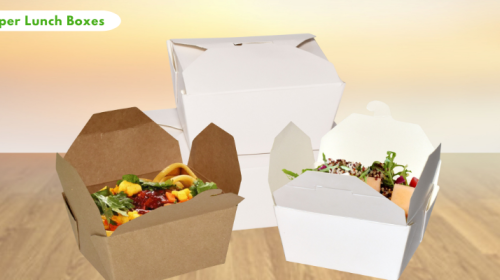
Paper meal boxes have become an essential component in the foodservice industry, particularly for restaurants, cloud kitchens, and catering services that rely on takeaway and delivery operations. While these boxes are convenient, sustainable, and versatile, their effectiveness and longevity depend heavily on proper storage and understanding shelf-life considerations. Improper handling can compromise the quality, durability, and hygiene of paper packaging, potentially affecting food safety and customer satisfaction.
Partnering with a reliable paper meal box supplier ensures that businesses receive packaging that meets quality standards and comes with guidance on optimal storage practices. Suppliers provide valuable insights into maintaining box integrity, extending shelf life, and avoiding common issues such as moisture damage, deformation, or contamination.
Table of Contents
ToggleImportance of Proper Storage
Proper storage is critical for maintaining the functional and aesthetic qualities of paper meal boxes. Exposure to humidity, extreme temperatures, or direct sunlight can weaken the material, causing boxes to warp, tear, or lose their ability to hold food securely. Maintaining an organized storage area with controlled environmental conditions helps ensure that boxes remain in optimal condition until they are used.
In addition to preserving structural integrity, proper storage minimizes the risk of contamination. Dust, pests, and odors can compromise paper boxes if they are stored in unclean or inappropriate locations. Suppliers often recommend storing boxes off the floor, away from food ingredients, and in clean, dry areas.
Shelf-Life Factors for Paper Meal Boxes
The shelf life of paper meal boxes depends on several factors, including the type of material, coatings, and environmental conditions. High-quality boxes made from food-grade kraft paper, paperboard, or corrugated materials can last longer if stored properly. Boxes with special coatings for grease, moisture, or heat resistance may have specific shelf-life considerations, as these coatings can degrade over time when exposed to air, light, or moisture.
Businesses should also be aware of the impact of packaging density. Stacking boxes too tightly or placing heavy items on top can deform or compress the boxes, reducing their usability. Proper storage practices, such as maintaining moderate stacking height and using supportive shelving, help preserve box shape and functionality.
Temperature and Humidity Control
Temperature and humidity play a significant role in extending the shelf life of paper meal boxes. Excessive humidity can cause boxes to absorb moisture, leading to weakening, warping, or mold growth. On the other hand, extremely dry conditions can make the paper brittle and prone to tearing.
Ideal storage conditions include a temperature range that avoids extreme heat or cold, along with relative humidity levels between 40% and 60%. Using climate-controlled storage or placing desiccant packets near boxes can further help manage moisture and prevent deterioration.
Protection from Light and Contaminants
Direct exposure to sunlight can fade printed designs and compromise coatings on paper meal boxes. Ultraviolet (UV) rays can weaken certain types of paper, particularly those with specialized coatings. Storing boxes in shaded or enclosed areas prevents damage and preserves the visual and functional qualities of the packaging.
In addition to light exposure, minimizing contact with contaminants is crucial. Boxes should be stored in sealed or covered containers to protect against dust, grease, and odors that could affect both the packaging and the food that will be stored inside them.
Inventory Rotation and First-In, First-Out (FIFO)
To ensure freshness and maintain quality, businesses should implement a first-in, first-out (FIFO) system for paper meal boxes. This approach ensures that older stock is used before newer deliveries, reducing the risk of degradation over time. Regularly checking inventory for signs of damage, moisture exposure, or contamination allows businesses to identify and remove compromised boxes before they are used.
Considerations for Coated and Custom Boxes
Boxes with special coatings, such as grease-resistant or moisture-resistant layers, may have additional storage requirements. These coatings can be sensitive to environmental conditions and may degrade if stored improperly. Similarly, custom-printed boxes with logos or promotional designs require protection from abrasion, moisture, and sunlight to preserve branding quality.
Consulting with a paper meal box supplier regarding specific storage guidelines for coated or customized boxes helps extend usability and maintain presentation standards.
Bulk Storage and Space Optimization
For high-volume food businesses, bulk storage of paper meal boxes is common. Organizing boxes efficiently while avoiding overcrowding or excessive stacking is essential. Shelving systems, pallets, and bins can help maintain box shape and prevent damage during storage and retrieval. Suppliers can provide recommendations on optimal bulk storage practices to maximize space while ensuring product quality.
Conclusion
Storage and shelf-life considerations are critical for maintaining the quality, safety, and functionality of paper meal boxes. Factors such as environmental conditions, stacking practices, contamination prevention, and proper inventory rotation all influence how long boxes can be stored without compromising performance. By following supplier guidelines and implementing best practices, food businesses can ensure that their paper meal boxes remain durable, hygienic, and effective for both hot and cold foods. Proper storage not only protects the packaging but also safeguards food quality, enhances operational efficiency, and supports a positive customer experience.